
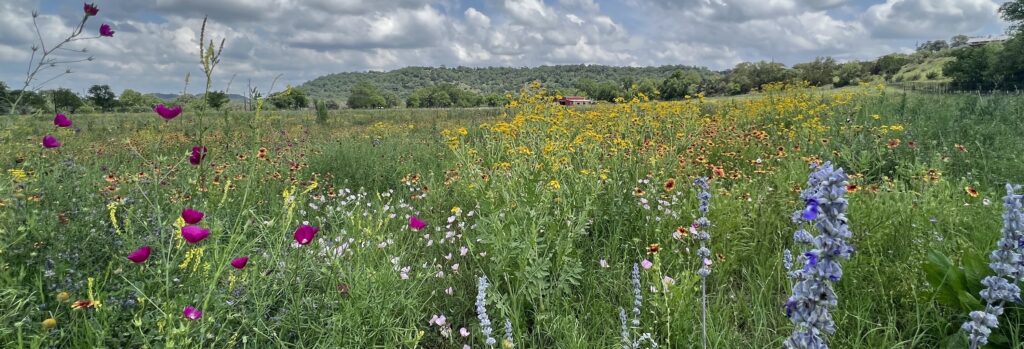
D-MAP Update: Techniques
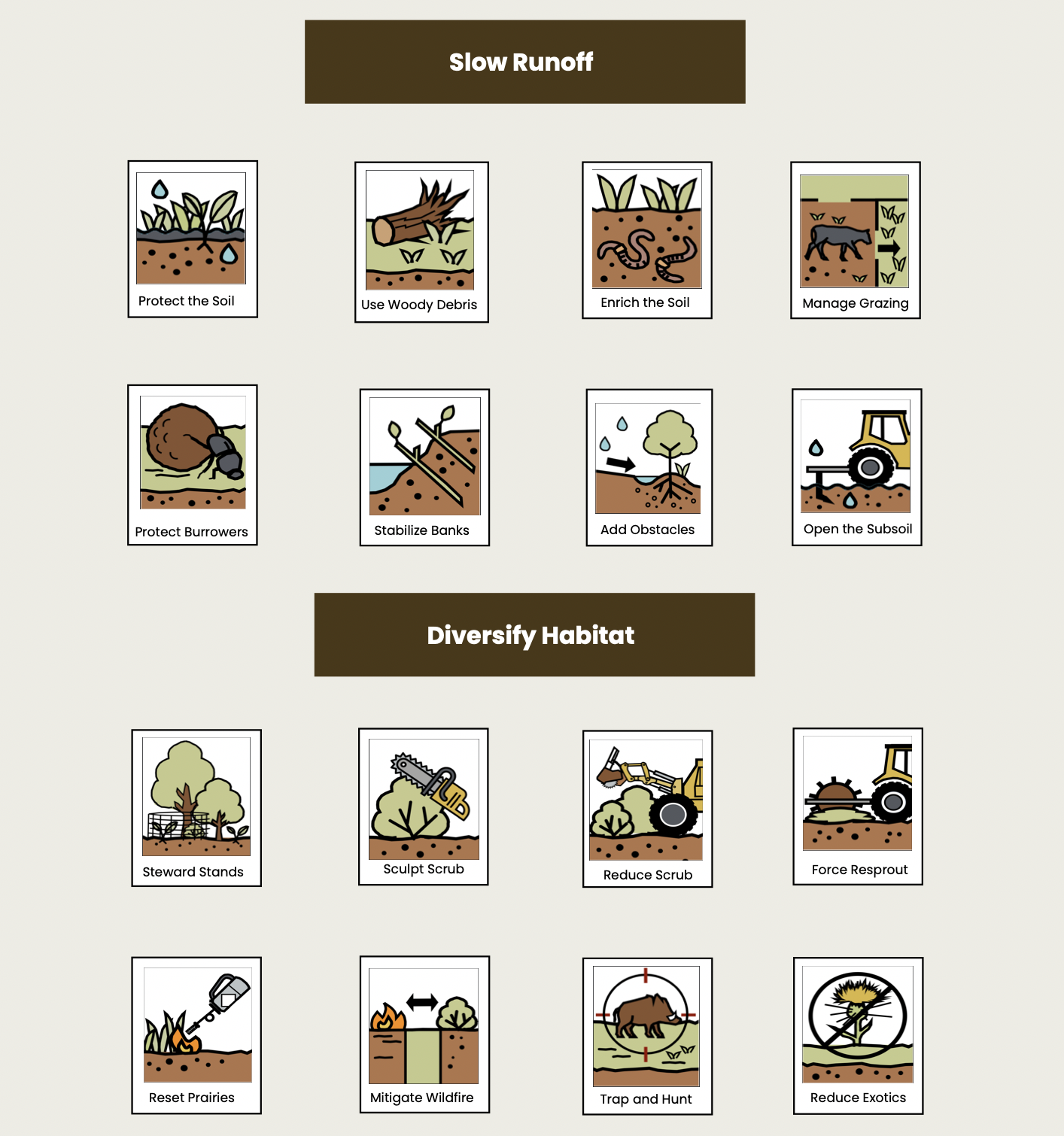
Snapshot of D-MAP website page, Step 4, Choose Techniques (under construction)
Rather than focusing on woody brush removal, D-MAP takes an ecosystem-based approach. Its goal is to regenerate and sustain a healthy, functioning ecosystem by focusing on two basic strategies: slowing runoff and diversifying habitat.
Runoff is water that doesn’t soak into the ground during or shortly after a rain event. Too much runoff means more erosion and contributes to flooding, while also carrying away water that could otherwise support the soil biology that helps vegetation survive drought and reduces wildfire risk. And when rain runs off the surface instead of soaking in, less water reaches the limestone below, where it can help replenish groundwater.
The second strategy is to diversify habitat—both above and below ground. A healthy ecosystem needs more than one type of vegetation or a single layer of growth. Dense brush can provide winter cover, tall grasses offer nesting habitat, and mast-producing trees provide food in autumn. Together, these different layers provide shelter and resources for wildlife throughout all four seasons.
Below ground, a diverse community of roots, fungi, microorganisms, and other soil organisms helps cycle nutrients and build healthy soil. A variety of plants with different root depths also helps the ground absorb and retain water, while holding soil in place during floods and maintaining stability during drought. The result is a more resilient ecosystem—one better able to capture rain, protect soil, support wildlife, and sustain itself over time.
Welcome our newest team members!
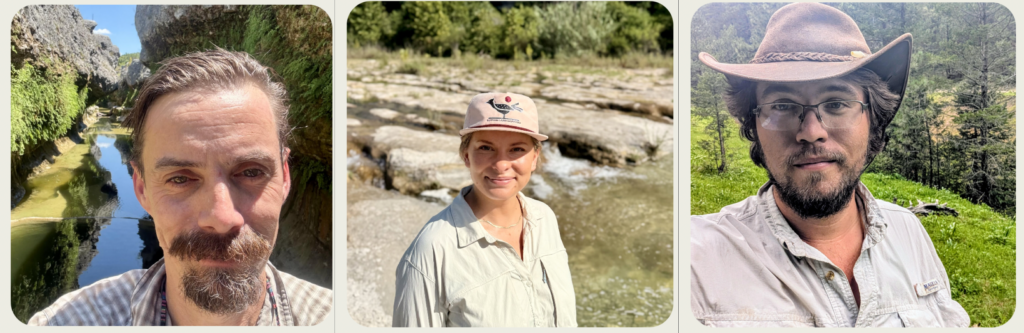
We are pleased to announce three more people joined our team to help provide feedback on the new D-MAP website. Ryan
Ryan McGillicuddy is a Conservation Biologist and the Watershed Conservation Team Leader for the Inland Fisheries Division of the Texas Parks and Wildlife Department (TPWD).
Hope Boatright is the co-founder of Lupine Land Services that provides land management plans.
Austin R. Kelly is a broad-range ecologist and botanist and the founder of ARK Ecological Consulting LLC. He has also conducted research on rain infiltration under junipers on limestone karst country.